The planet
Mars
Crust, ice, sulfur, dunes, organics. The papers that treat the planet as it is — before the city, before the stack that has to fly.
Mars research
On this desk
Dichotomy, ice, native sulfur, Kaiser Crater dunes, Gale organics, power, dust. New Mars papers land here. Starship hardware and TeraFab stay on their own tabs.
Full archiveScreenDossierObservatory
Desk · 2026-07-15 · 5 min
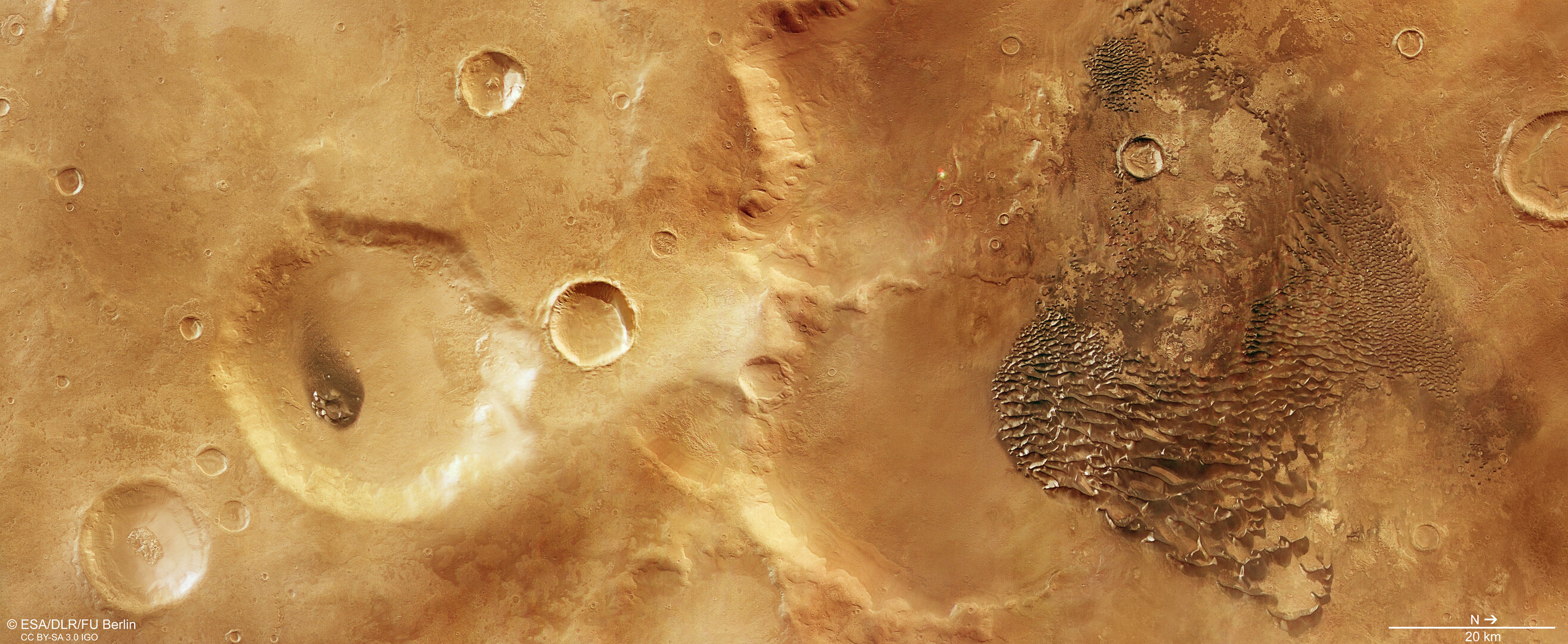
Metallic Waves on Ancient Mars
They look like metal. They are sand.
Mars Express · Geology · Dunes
Desk · 2026-08-19 · 12 min · 30:32 listen
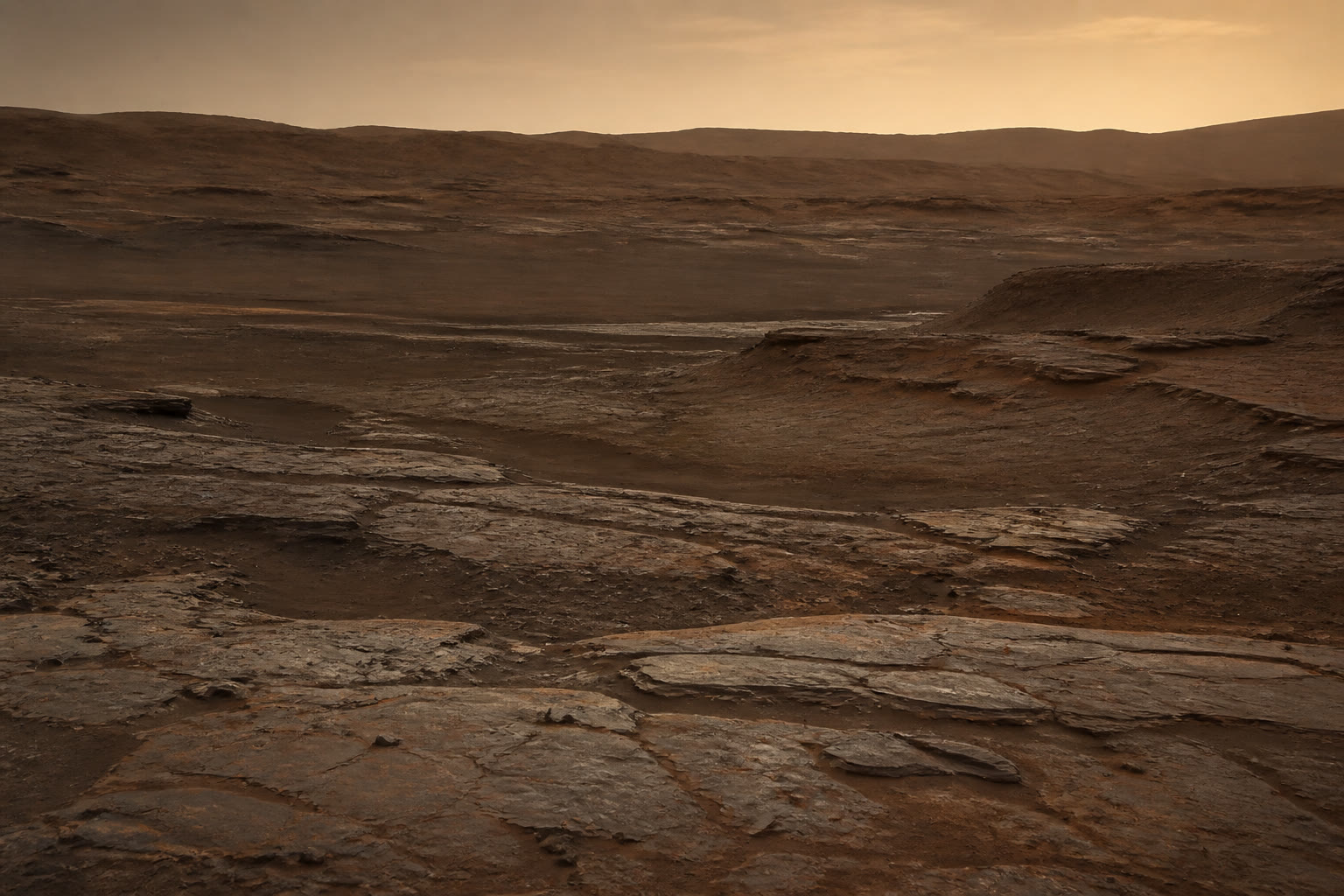
Mars’s Subsurface Sanctuary
Curiosity found the largest organic molecules yet confirmed on Mars inside a 3.7-billion-year-old lakebed. Reconstructing what radiation destroyed may matter more than what survived.
Curiosity · Organics · Gale Crater
Desk · 2026-08-19 · 12 min
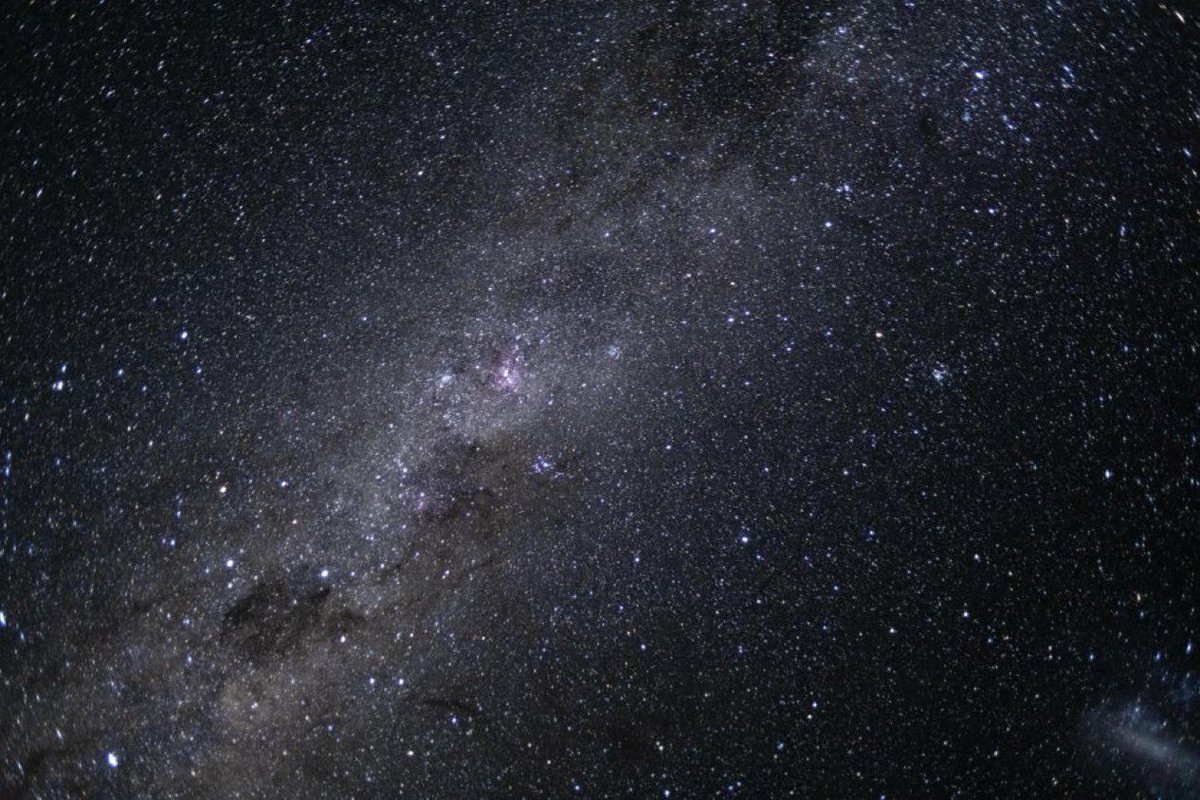
The Imperative of Making Life Multiplanetary
Preserving and extending the light of consciousness — a tiny candle in a vast darkness that could easily go out.
Consciousness · Multiplanetary · First principles
Desk · 2026-08-19 · 12 min
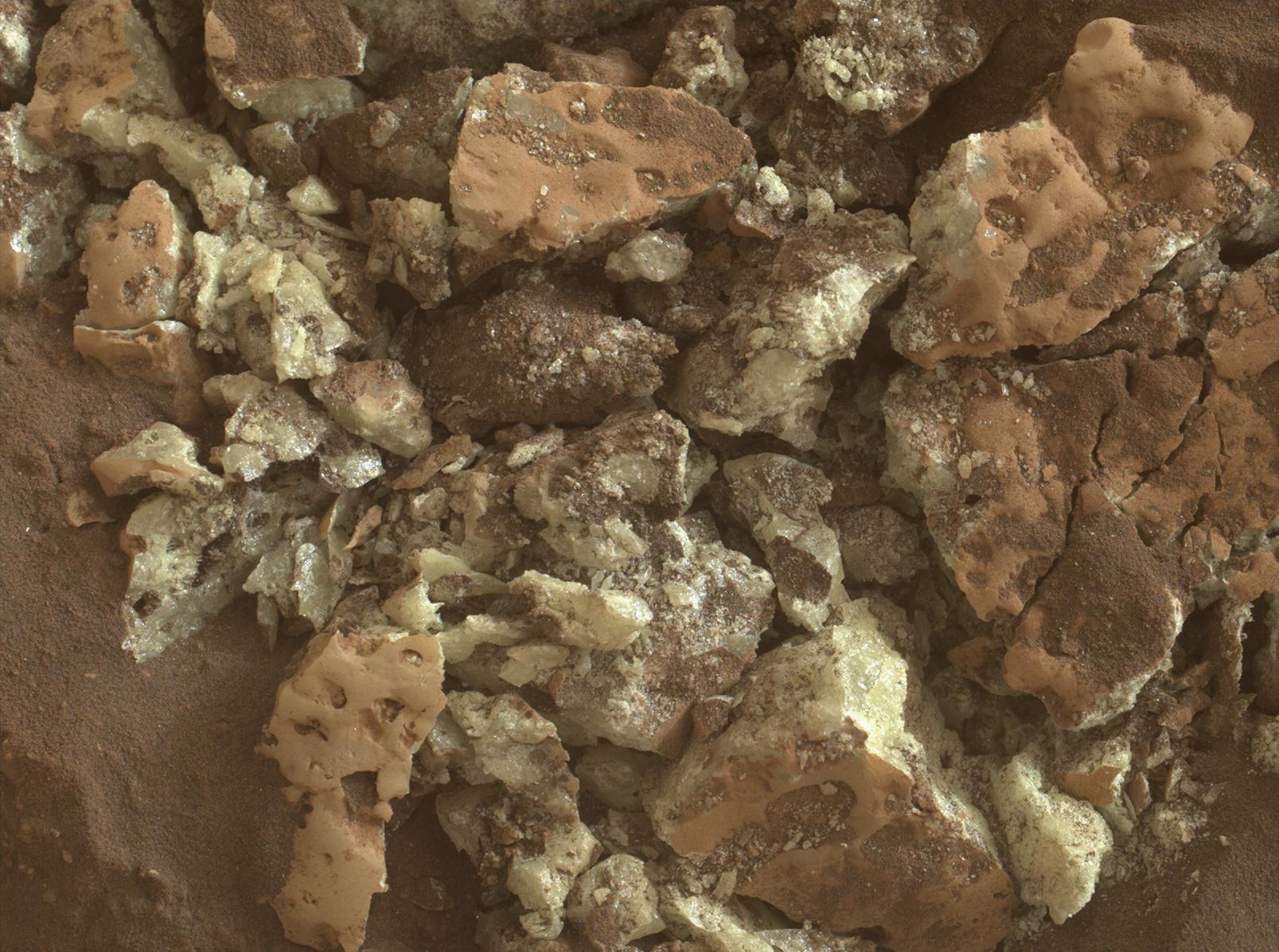
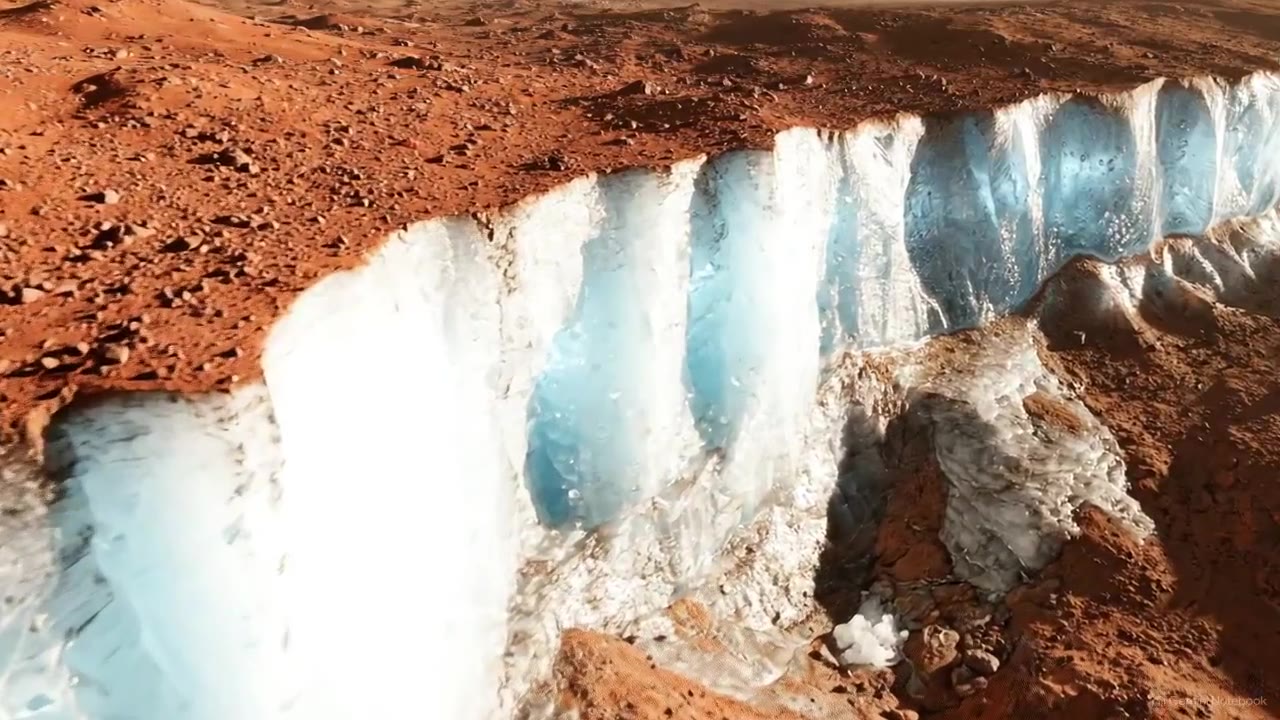
The Rock That Broke Open Mars
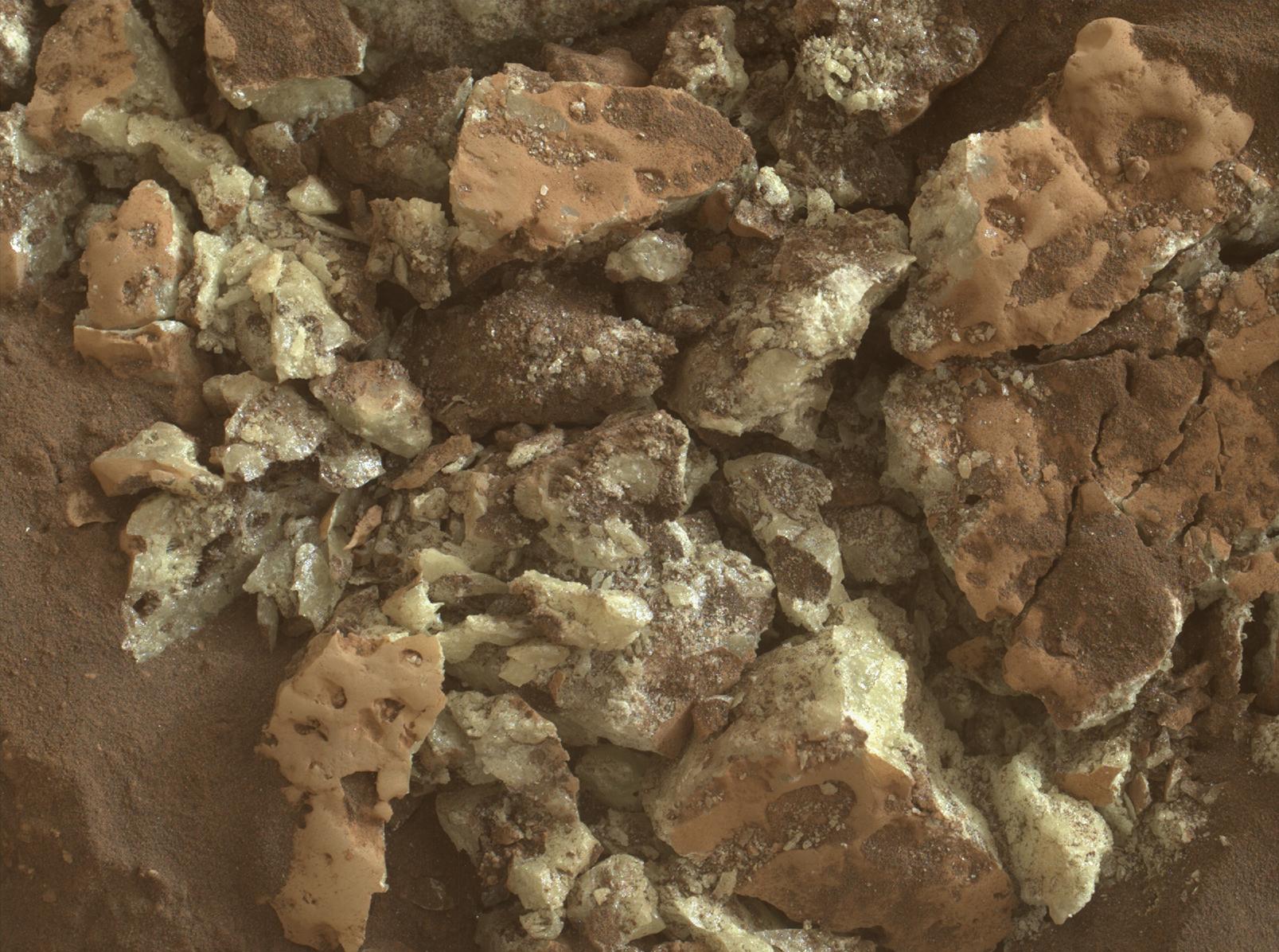
Curiosity’s wheel fractured an ordinary stone in Gediz Vallis and exposed yellow crystals no mission had confirmed on Mars: native elemental sulfur.
Curiosity · Sulfur · Gediz Vallis
Desk · 2026-08-19 · 8 min
The Last Meters of Dust
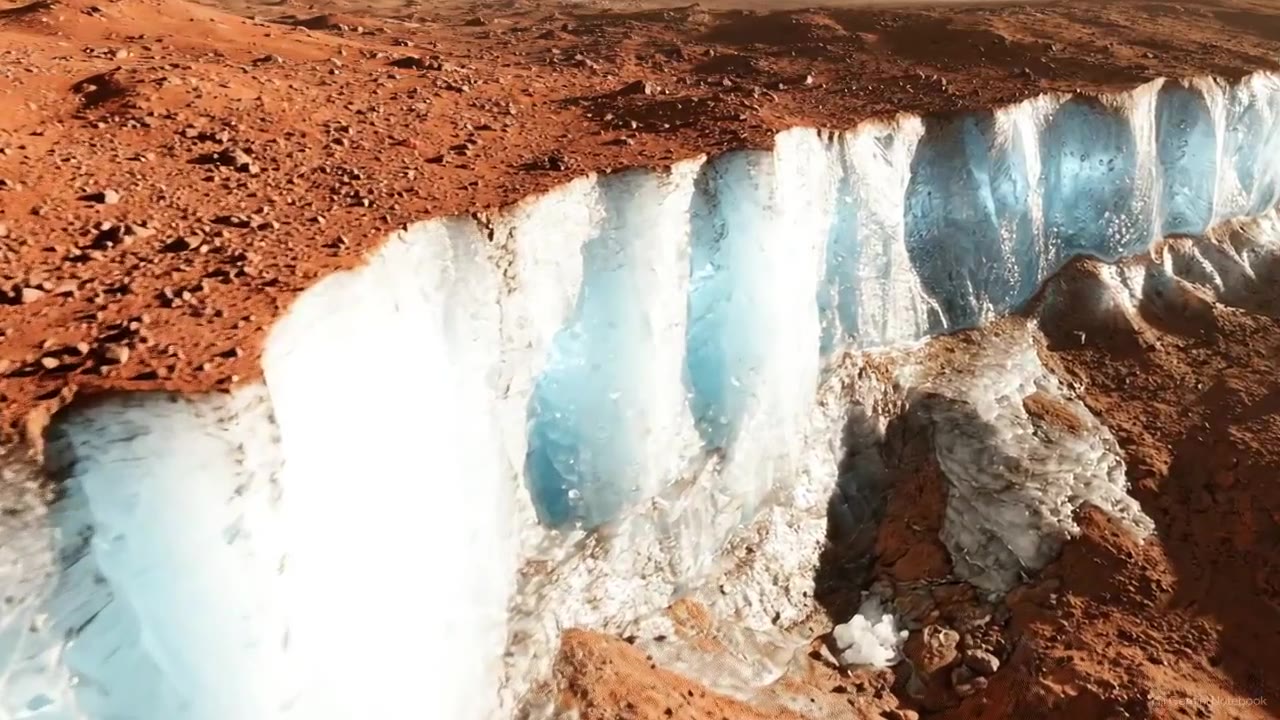
Starship can cross the vacuum. Return propellant cannot. The bottleneck is not interplanetary distance — it is meters of abrasive, buried ice.
ISRU · Starship · Ice
X · 2026-08-19 · 9 min
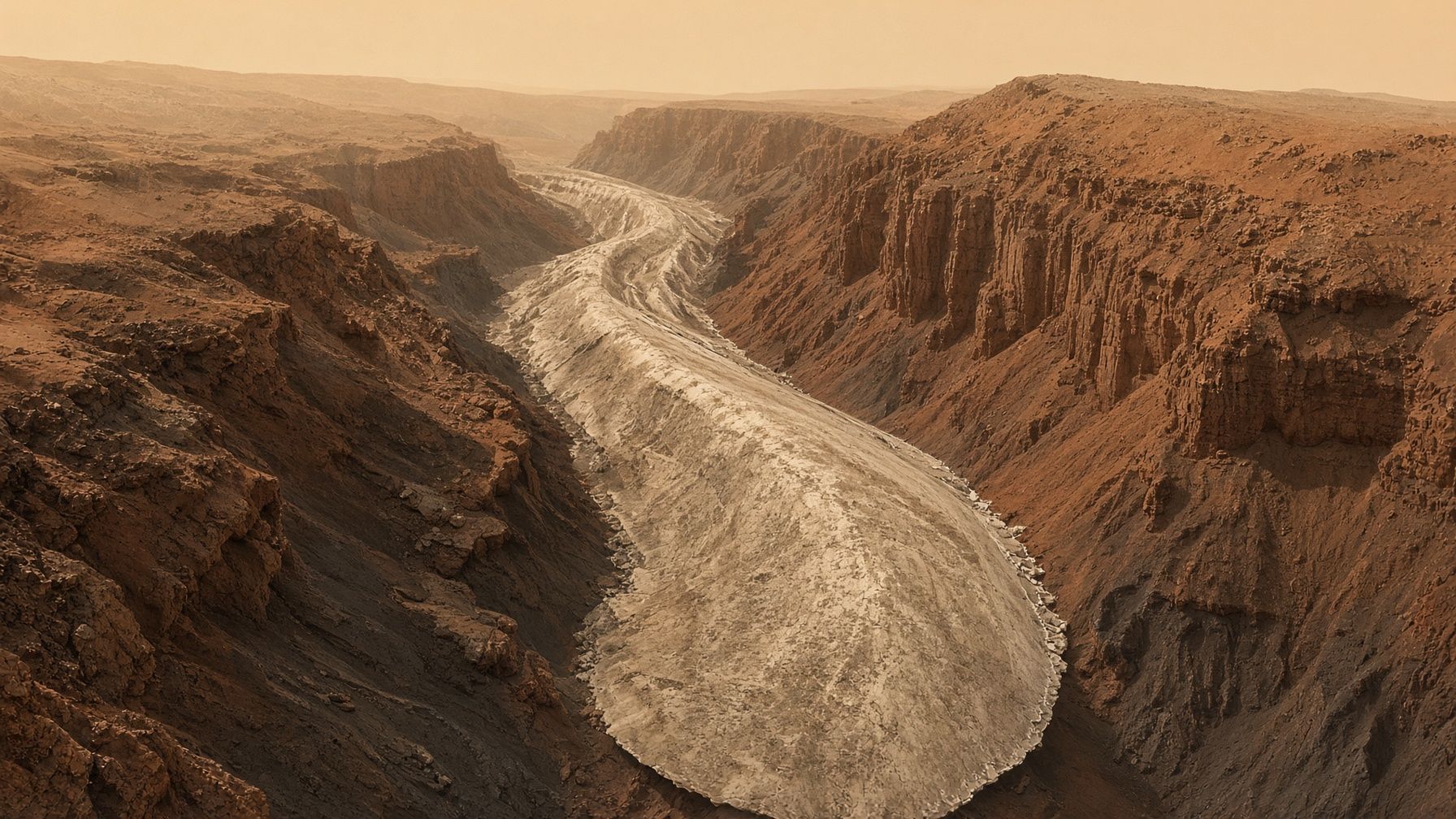
The Martian Dichotomy
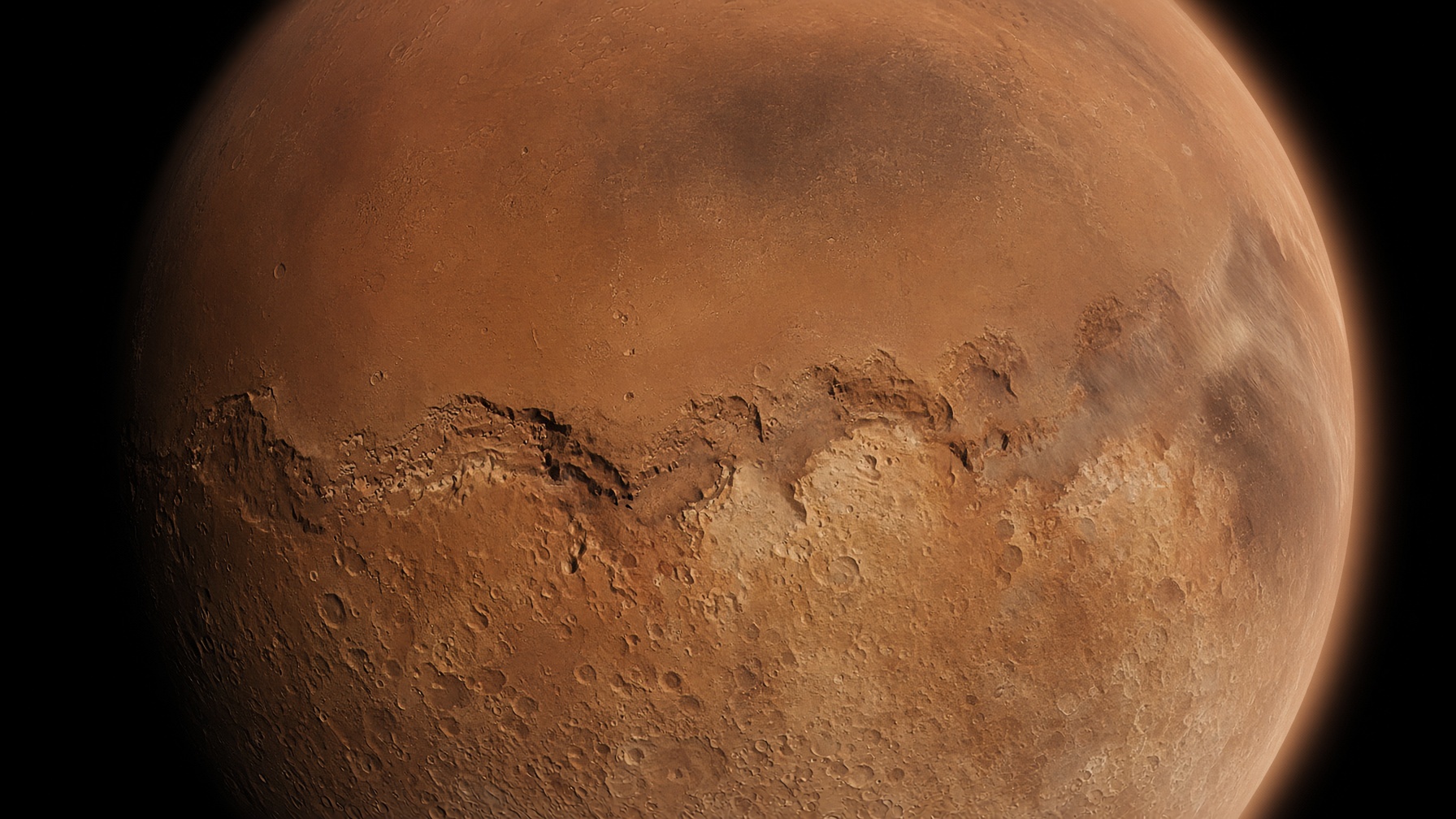
A 4-billion-year-old scar that decided where the last oases could live — and why the carbon cycle died.
Geophysics · Habitability · Perseverance
X · 2026-08-15 · 7 min
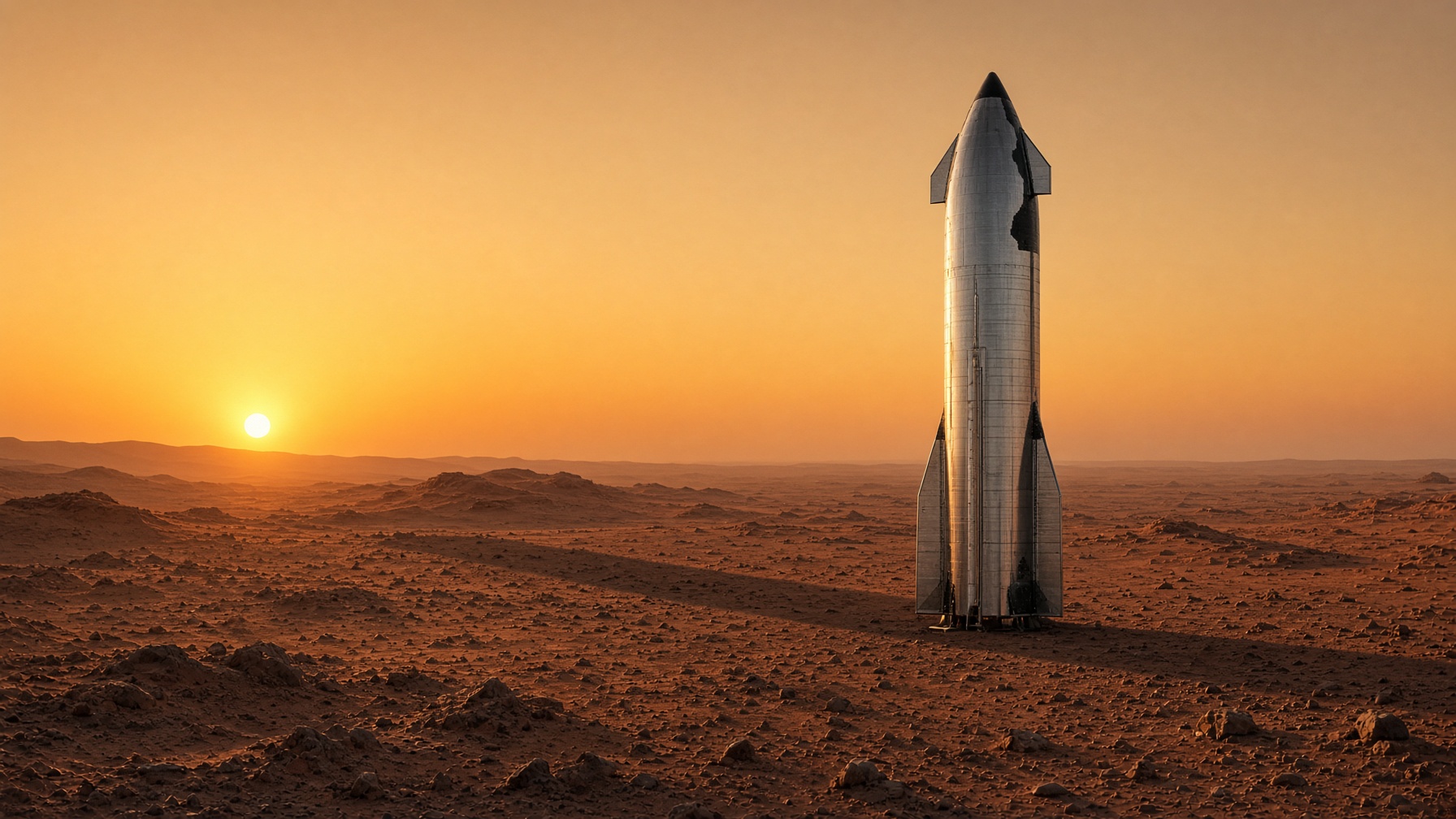
The Ice Is Not Vanishing
Twenty to thirty meters of global equivalent water. The loss rates are geological. The problem is extraction, not disappearance.
ISRU · Volatiles · MAVEN
X · 2026-08-09 · 11 min
Powering Mars
3.6 megawatts to keep a crew alive and fill two Starships. Solar is a dust-storm hostage. Fission is the baseload that makes return possible.
ISRU · Fission · Habitats
X · 2026-08-10 · 5 min
Was Early Mars Green?
Ninety to ninety-nine percent chance it was livable, at least in pulses. Curiosity and Perseverance keep handing over the receipts.
Habitability · Curiosity · Perseverance
X · 2026-08-19 · 4 min
A Single Planet Is a Failure Mode
Making life multiplanetary is not optional. It is the minimum requirement to turn a brief accident into a durable feature of the cosmos.
First principles · Civilization
Forge · 2026-04-09 · 5 min
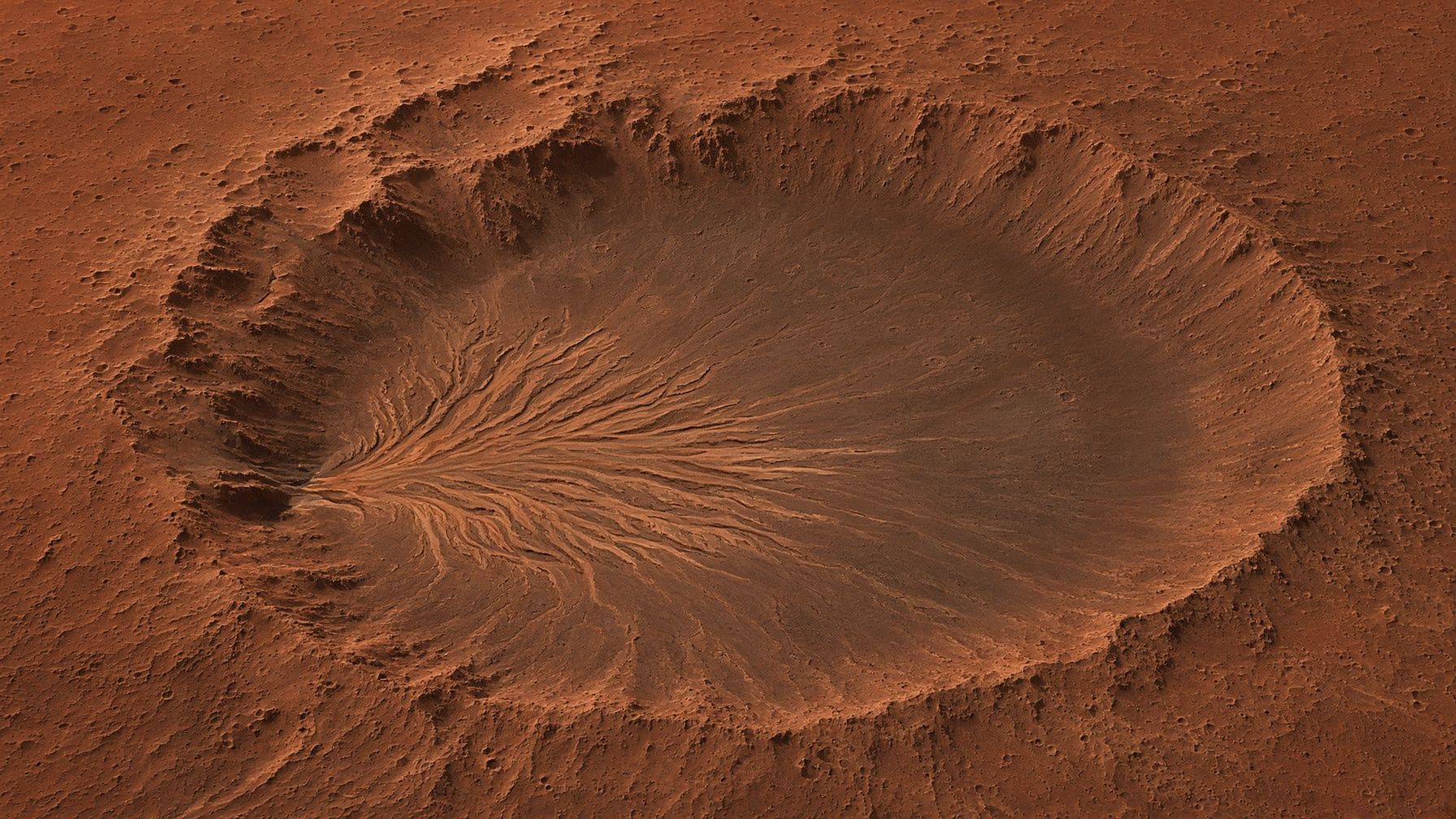
MarsForge Technical Lite Briefing
Diameter, gravity, 6 mbar CO2, Olympus Mons, Valles Marineris, Jezero deltas. The community briefing that treats Mars as an engineering problem.
MarsForge · ISRU · Habitability
X · 2026-07-14 · 4 min
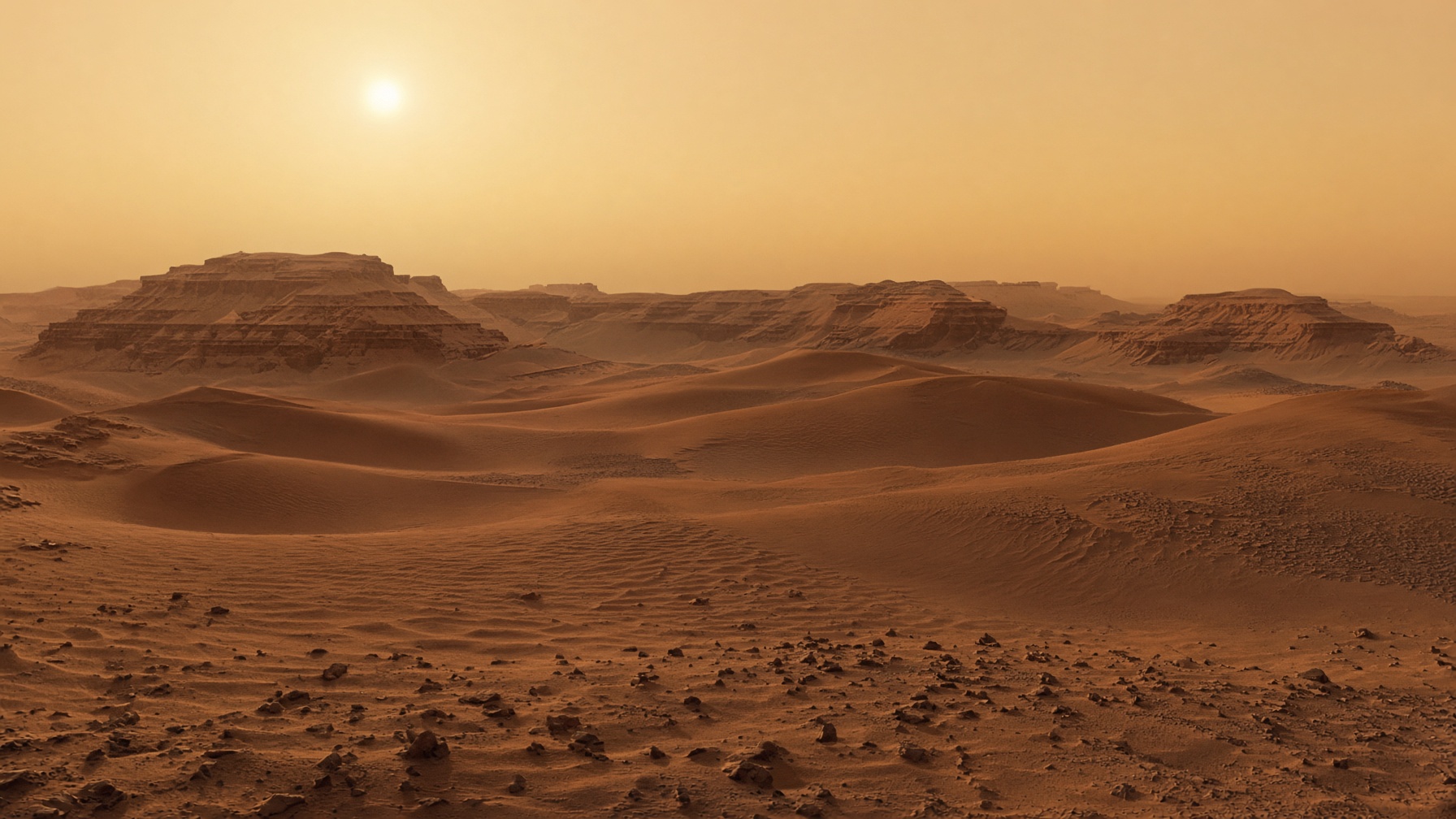
Why Mars, Not the Moon
The Moon cannot hold an atmosphere. Mars starts with CO2, ice, a 24.6-hour day, and 97% of Earth’s land mass. Self-sustaining civilization has a preferred planet.
First principles · Habitats · ISRU